How to make money on Uzum: models, costs and risks

Earning on Uzum means selling goods through the marketplace so that after all costs, every sale leaves a net profit. It is not a way to get rich quickly and there is no guaranteed income: the result depends on product choice, price and cost control. Below are the models, where money goes and what to calculate before starting.
The main ways to earn
- Reselling finished goods. You buy wholesale or from a manufacturer and sell on Uzum. The most common path; the result depends on the purchase price and a well-chosen niche.
- Your own production or brand. The margin is usually higher and it is harder for competitors to copy you, but the launch takes more time and money.
- Partnership with a local manufacturer. You run the cards, logistics and sales, and the manufacturer provides the goods.
- Services for sellers. Card design, photos, texts or store management — you can earn around Uzum without your own product.
What you need to start
- Legal status — sole proprietor, LLC or self-employed. The steps are described in the guide how to become a seller on Uzum.
- Product and working capital — for the first batch and for the period until money comes back from Uzum.
- The card — quality photos, a correct title and attributes. The requirements are in the article on card requirements.
- Work scheme — FBO, FBS or DBS. The difference is in the article on schemes.
Where the money goes
Revenue is not yet profit. From every sale the following is subtracted:
- the product's cost price and its delivery;
- Uzum commission — depends on the category;
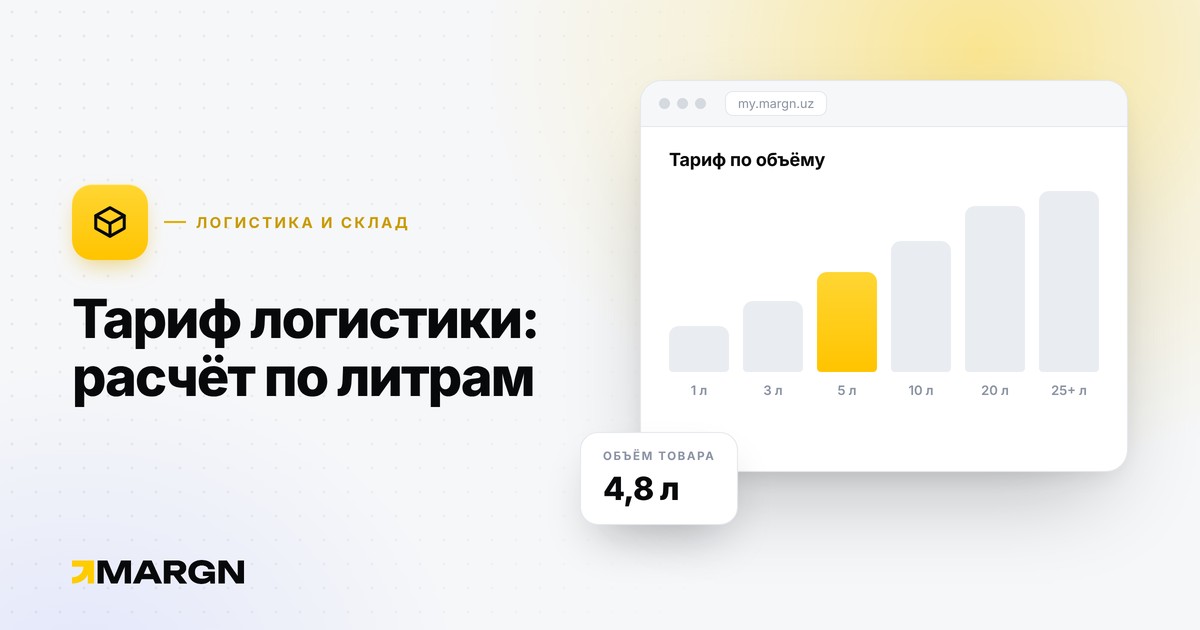
- logistics — depends on package volume (logistics fees);
- storage — if the product sits in the warehouse for a long time (paid storage);
- advertising and promotions;
- returns and cancellations;
- tax, packaging and labels.
Calculate using the formula from the article how to calculate net profit or in the profit calculator.
How much money you need to start
There is no single right amount, but it is easy to calculate for yourself:
Starting budget = cost of the test batch + card preparation + advertising for the first month + reserve
The reserve matters: money from sales does not arrive immediately but on the payout schedule. During that time you need money for the next batch and for advertising. Take a small first batch — first check that the product sells, then scale.
Where profit is lost
- Revenue is mistaken for profit. Sales grow, but the money in the account does not.
- Uncontrolled advertising. Costs eat most of the sales — watch ACOS and DRR.
- Excess stock. A slow product goes into paid storage.
- Pricing without looking at competitors. Too expensive — no sales; too cheap — no profit.
- Cancellations. On FBS, delays and cancellations lead to penalties and a lower rating (details).
A plan for the first 90 days
- Month 1: test 10–20 ideas with numbers, choose 1–3 products, take a test batch and prepare the card. How to choose is in the article what to sell on Uzum.
- Month 2: first sales, a small advertising test, net profit calculation for every SKU.
- Month 3: scale profitable products, stop unprofitable ones, adjust stock to the pace of sales.
When sales take off
For growth you need to regularly check search positions, card quality, price and advertising. Practical steps are in the article how to increase sales on Uzum.
Questions and answers
Is there a guaranteed income on Uzum? No. Do not believe promises like “you will earn this much a month” — the result depends on the product, price and costs.
Can you earn without your own product? Yes, on services for sellers: card design, photos, texts or store management.
How do I know how much profit will be left for the month? Enter the expected revenue and cost shares in the profit calculator — it will show net profit and margin.